
April 2, 2026 — As the desire for outdoor living spaces grows globally, garden greenhouse have emerged as a versatile, stylish solution for extending homes, creating home offices, hobby spaces, or tranquil retreats. However, the quality, durability, and functionality of a garden room depend entirely on the supplier you choose. With a surge in market players—from small local workshops to large-scale manufacturers—navigating the options can be overwhelming. This guide outlines the key factors to consider when selecting a garden room supplier, ensuring your investment delivers long-term value, style, and performance.
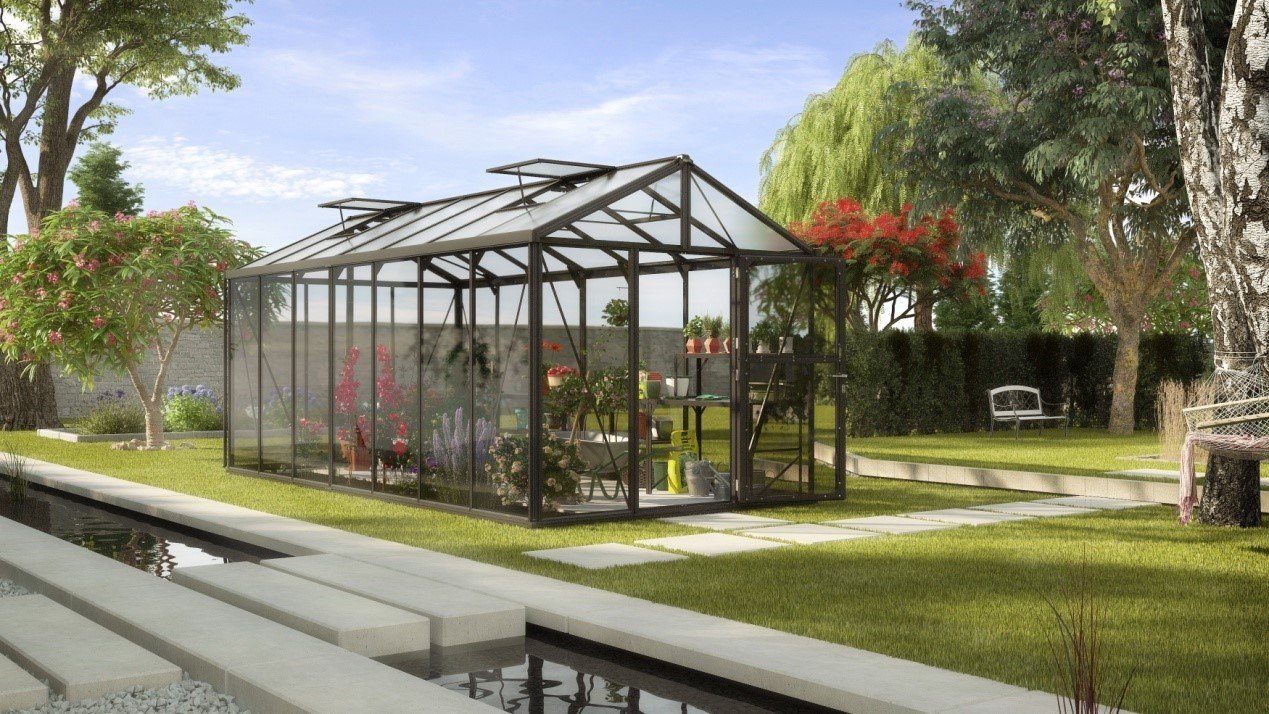
A garden room is exposed to the elements year-round, so durability should be your top priority. When evaluating suppliers, focus on the materials and construction standards they use—this directly impacts how well the space withstands rain, wind, extreme temperatures, and UV exposure.
Look for suppliers that use high-grade, weather-resistant materials. For structural frames, 6061-T6 aerospace-grade aluminum or pressure-treated timber are ideal; these materials resist rot, rust, and warping, ensuring the garden room remains sturdy for decades. The cladding and roofing should also be durable: options like composite cladding, uPVC, or treated wood offer excellent protection against moisture and fading. For glazing, prioritize double or triple-glazed, toughened glass with Low-E coating, which enhances insulation, reduces glare, and improves energy efficiency—critical for year-round use.
Additionally, ask about quality control processes. Reputable suppliers will have strict checks in place, from material sourcing to manufacturing, and may hold certifications such as ISO 9001 for quality management or SGS testing for environmental safety. Avoid suppliers that cut corners with cheap, low-grade materials—these may save money upfront but will lead to costly repairs or replacements down the line.
No two gardens or homeowner needs are the same, so a one-size-fits-all approach rarely works. The best garden room suppliers offer flexible customization options to match your space, style, and intended use.
Inquire about design flexibility: Can the supplier adjust the size, shape, and layout to fit your garden’s dimensions? Do they offer a range of styles—from modern minimalist and contemporary to traditional or rustic—to complement your home’s architecture? Look for suppliers with dedicated design teams that can create personalized plans, incorporating features like large windows for natural light, sliding doors for seamless outdoor access, built-in storage, or even integrated heating and cooling systems.
For specialized needs—such as a home office, gym, or garden studio—ensure the supplier can accommodate customizations like soundproofing, extra insulation, or electrical wiring. Some leading suppliers use BIM visualization technology to pre演 the design, allowing you to see the final result before construction begins, ensuring the space meets your exact expectations.
Even the highest-quality materials will fail if installed poorly. A reputable garden room supplier should offer professional, experienced installation teams—not subcontractors—and have a proven track record of efficient, precise work.
Ask about the installation process: How long will it take? Will the team handle site preparation, such as leveling the ground or removing debris? Do they follow industry best practices for foundation work, which is essential for stability? Look for suppliers with certified installers who have years of experience, as they will know how to address common challenges like uneven terrain or weather delays.
Also, check if the supplier provides a detailed installation timeline and communicates clearly throughout the process. Professional teams will leave your garden clean and tidy after installation, minimizing disruption to your home and outdoor space.
A garden room is a long-term investment, so reliable after-sales support and a comprehensive warranty are non-negotiable. Avoid suppliers that offer no warranty or vague promises—this is a red flag that they may not stand behind their products.
Look for suppliers that offer a warranty covering structural components (such as frames and roofing) for at least 10 years, and shorter warranties for fixtures, fittings, and glazing. The warranty should clearly outline what is covered, how to make a claim, and the supplier’s responsibility for repairs or replacements. Additionally, inquire about post-installation support: Will the supplier address any issues that arise, such as leaks or structural problems, in a timely manner? Do they offer maintenance advice or services to keep your garden room in top condition?
Before committing to a supplier, take the time to research their reputation. Look for customer reviews on independent platforms, social media, and the supplier’s website. Pay attention to feedback about product quality, installation, and after-sales service—consistent positive reviews are a good sign, while repeated complaints (such as poor craftsmanship or unresponsive support) should be a warning.
Also, ask the supplier for references or examples of completed projects. Reputable suppliers will be happy to show you photos or videos of their work, or even arrange visits to nearby garden rooms they have installed. This allows you to see the quality of their work firsthand and speak to other customers about their experience.
Hidden costs and vague contracts can turn a dream garden room into a financial nightmare. The best suppliers are transparent about pricing, providing detailed quotes that break down costs for materials, labor, customization, and any additional fees (such as site preparation or delivery).
Avoid suppliers that give only a total price without explanation—this may indicate hidden charges. A clear contract should outline all terms, including payment schedules, installation timelines, warranty details, and cancellation policies. Read the contract carefully and ask questions about any unclear clauses before signing; a reputable supplier will be happy to clarify and ensure you fully understand the agreement.
As environmental awareness grows, many homeowners are seeking eco-friendly garden room solutions. Look for suppliers that prioritize sustainability, such as using FSC-certified timber (from responsibly managed forests), recyclable materials, or energy-efficient glazing and insulation. Some suppliers also offer carbon-neutral installation or use low-VOC (volatile organic compound) finishes, which are better for the environment and your health.
Sustainable practices not only benefit the planet but also often result in a more energy-efficient garden room, reducing your carbon footprint and long-term energy costs.
A garden room is more than just an outdoor structure—it’s an extension of your home, a space to relax, work, and create memories. By prioritizing quality, customization, installation expertise, after-sales support, reputation, transparency, and sustainability, you can choose a supplier that delivers a garden room that meets your needs and stands the test of time.
Take the time to research, ask questions, and compare options—this due diligence will ensure your investment is worthwhile, and you can enjoy your garden room for years to come.
With over 20 years of expertise in the outdoor living industry, Vitavia partners with trusted garden room suppliers worldwide to deliver premium, European-designed spaces. Our curated network of suppliers adheres to the highest standards of quality, craftsmanship, and sustainability, ensuring every Vitavia garden room combines style, functionality, and durability. Whether you’re looking for a compact home office, a spacious entertainment area, or a tranquil retreat, Vitavia connects you with suppliers that can bring your vision to life.

Inquiry
Copyright © 2024 Qingdao Vitavia Garden Products Co.,Ltd. All Rights Reserved. 鲁ICP备19034712号-1 Powered by HiCheng